Over-the-Range Microwave Installation: Plan Before You Buy
Plan the over the range microwave installation before you buy, by checking the opening, the power, the vent path and the mounting. A licensed electrician should handle the wiring, and a qualified installer should mount the unit and handle the duct work.
On this page (12 sections)
- What does an over-the-range microwave installation involve?
- What to measure before you buy
- Check the outlet and the power before install day
- Plan the vent path before the unit arrives
- Fill a wider opening with trim
- Follow the maker's installation sheet
- What the mounting plate and screws need
- Who should install an over-the-range microwave?
- What to expect on install day
- Questions to ask an installer before you book
- Common installation mistakes to avoid
- Plan the installation before you buy the microwave
Plan the over the range microwave installation by checking the opening, the power, the vent path and the mounting before the box arrives. A licensed electrician should handle the wiring, and a qualified installer should mount the unit and handle the duct work.
Most installation problems come from a unit that doesn't fit the opening, a vent path that doesn't line up or an outlet that isn't ready. This guide covers what to measure, what to check on the power and vent, and when to bring in help.
What does an over-the-range microwave installation involve?
An installation covers four parts: the fit, the power, the vent and the mounting. A problem in any one of them can stop the job, so check them in that order before the unit arrives.
Each part can also change the cost. A wider opening needs trim, a new vent path needs parts, and new wiring needs an electrician.
What to measure before you buy
Measure the cabinet opening width, the height from the cooktop to the cabinet bottom and the depth from the wall. Compare those numbers with the unit's measurements before you buy anything.
The dimensions guide explains each measurement in more detail. It also shows how the 30-inch models we checked compare in depth and height.
Check the outlet and the power before install day
The unit needs a working power source, so have an electrician check the outlet and the circuit before install day. An outlet that isn't ready can mean a second visit and a delay.
Over the range microwave installation checklist for power
Ask the electrician to confirm the circuit, the outlet and any new connection before the unit goes up. Keep the electrician's findings with the unit paperwork, so the next person knows what was checked.
Plan the vent path before the unit arrives
Decide whether the unit will vent outside or recirculate before you buy. A ducted setup needs a duct path to an outside wall or roof, and a recirculating setup needs a charcoal filter.
If the unit's outlet and your round duct don't match, you may need a transition piece. Check the sizes in the manual before you buy any part.
Fill a wider opening with trim
When the cabinet opening is wider than the unit, side trim panels close the gap and give the space a finished look. The gap size decides how many panels you need, so measure before you buy.
Follow the maker's installation sheet
Each maker sets its own mounting steps, clearances and bracket details, so the installation sheet in the box comes first. Use this guide to plan the work, not to replace that sheet.
For the mounting parts, the GE mounting bracket guide explains how brackets and kits differ.
What the mounting plate and screws need
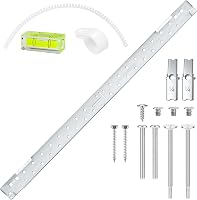
The mounting plate and the screws come with the unit. The manual names the screw type and the fastening points on the wall or cabinet, and the installer follows it.
Don't mix hardware from different units. A screw that's too long or too short can loosen the mount, so the installer should use only the parts the maker supplies or names.
Keep the hardware together until the job is done.
Who should install an over-the-range microwave?
We recommend a qualified installer for the mount. The 30-inch models we checked weigh roughly 40 to 61 pounds, the unit hangs over a hot cooktop, and a loose mount can drop it.
Hire a licensed electrician for the wiring and the outlet check. The installer should also handle any duct work that needs new routes or cutting, since a mistake there can leak air or damage the cabinet.
Your part is the planning: measure the opening, choose the unit, buy the matching parts and clear the area around the range.
What to expect on install day
Expect the installer to bring a second person for the lift. The mounting goes faster when the power and the vent are already ready.
Plan extra time for the trim and the vent, since those parts can add a step after the unit is mounted.
The electrician should finish the wiring before the unit is fully fastened. The fan and the light get checked only after the maker's steps are done.
Questions to ask an installer before you book
A short list keeps the quote clear and the visit on schedule. Write the answers down next to the unit's model number.
- Will you check the outlet and the circuit, or do I need a separate electrician?
- Does the vent path match the unit, or does it need a new route or an adapter?
- Do you bring the second person for the lift, and who removes the old unit?
- What happens if the opening needs a filler kit or a different plate?
Common installation mistakes to avoid
Ordering before measuring is a common mistake. The unit can be right on paper and still too deep for the wall behind the cabinet.
Buying a duct adapter that doesn't match the outlet is the second. Check the outlet size in the manual before you buy any adapter.
Skipping the outlet check is the third. An outlet that isn't ready can stop the job after the unit is already on the counter.
Plan the installation before you buy the microwave
Check the opening, the power and the vent path before you pick a unit. Once those three are settled, the installer's visit is much more predictable.
If you're swapping out an old unit, the replacement guide covers the steps after removal. For the venting choice, the venting options guide explains the setups side by side.
Frequently asked questions
How long does an over the range microwave installation take?
The time depends on the job. A swap into an existing opening with working power and a matching vent can be quick, while a new vent run, new wiring or a wider opening takes longer.
Do I need an electrician to install an over the range microwave?
A licensed electrician should handle the wiring and any new power connection. A qualified installer should mount the unit, since it is heavy, hangs over a hot cooktop and ties into the vent.
What is the most common installation problem?
A unit that doesn't fit the opening is the most common surprise. Measure the width, the height from the cooktop and the depth from the wall before you buy, then check the vent path.
Should I buy the trim kit before the microwave?
Measure the cabinet opening first. If the opening is wider than the unit, buy a side trim kit once you know the exact gap size, so the panels match the space.